
The Qigong Practice You Should Know for Back Pain Relief
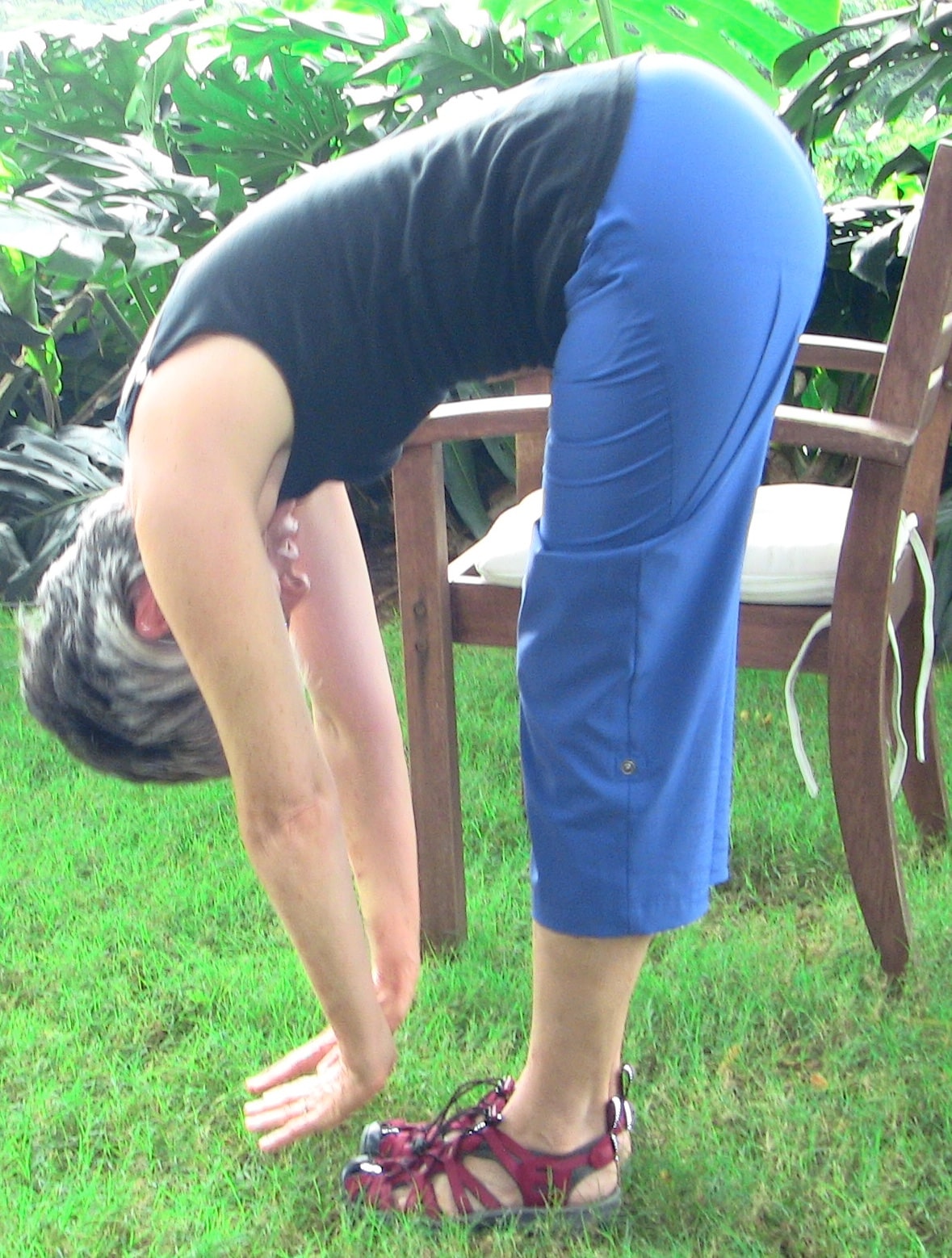
During my studies of Zhineng Qigong in China, a revered teacher once told me that if I could only practice one movement each day, it should be Bend the Body to Open the Spine from the Body Mind Method.
Initially, I was surprised; it seemed like a simple stretching exercise. However, after incorporating it into my practices, I began to understand her wisdom and how this qigong method is helpful for back pain.
Understanding the Body Mind Method
The Body Mind Method is one of the most widely practiced forms of Zhineng Qigong. This comprehensive practice emphasizes the connection between mind and body, consisting of ten movements along with opening and closing sequences.
The method incorporates a variety of movements—stretching, pulling, holding, rotating, and bending—that enhance overall well-being. Each movement often features a balance of tension and relaxation. While certain muscles may be tense, the mind remains calm and observant, allowing other parts of the body to relax deeply, enhancing the flow of qi. This body-mind connection fosters a sense of unity as the mind focuses inward while noticing external physical sensations.
Benefits of Bend the Body to Open the Spine
Among the movements in the Body Mind Method, Bend the Body to Open the Spine stands out as a powerful practice for specific outcomes. It benefits the entire spinal column and nervous system while effectively relieving back pain. Many qigong students have found relief from acute and chronic back pain through this practice. Some have even avoided surgery by practicing Bend the Body consistently.
To fully grasp the nuances of this movement and practice it safely, it is highly recommended to learn from a qualified Zhineng Qigong teacher. Their guidance can help you master the subtleties that make this practice so effective.
The Rewards of Consistent Practice
The strong mental focus required in these movements centers the body, facilitating the mobilization of qi throughout. This vital energy penetrates the skin, muscles, tendons, joints, meridians, and bones, helping to dissolve qi blockages. Regular practice enhances posture, increases strength, boosts vitality, sharpens mental clarity and resolves various imbalances.
By incorporating qigong’s Bend the Body to Open the Spine method into your daily routine, you may not only find relief for back pain but also enhance your overall health and well-being.