
A bit about the health benefits & history of qigong
Rooted in nature, shaped by wisdom
Qigong originally grew through inspiration from nature—the earth, sky, and all living beings—encouraging people to live in harmony with their environment. Over time it has been influenced by various wisdom traditions including Daoism, Buddhism, and Traditional Chinese Medicine.
While qigong encompasses spiritual dimensions, it is not a religion. Think of qigong as the sturdy trunk of a vibrant tree, with various branches representing different systems and approaches—all offering valuable benefits.
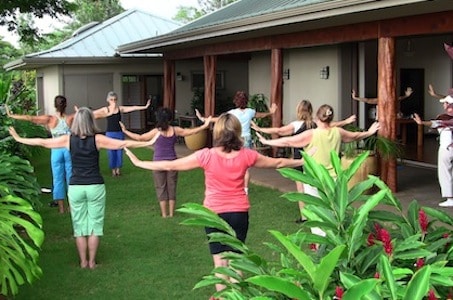
Qigong (pronounced “chee gung”) is an ancient Chinese healing art that integrates physical movement, breathing techniques, and focused intention to cultivate life energy. Suitable for all ages and abilities, qigong can be practiced standing, seated, or lying down.
This simple yet profound practice enhances self-healing abilities and promotes physical, emotional, and mental well-being. Many practitioners report feelings of harmony, tranquility, and a deeper connection to life’s purpose.
Connecting to life’s purpose
Our practices
At Qigong for Life, we offer diverse practices designed to maximize benefits for students
“The more I practice, the more I am able to feel and visualize the qi energy. And having a group to practice with makes everything easier and more joyful.”
Types of Qigong
Self-Healing & Medical
Focused on cultivating self-healing abilities to prevent and recover from illness while enhancing vitality and balance. Many practitioners experience relief from pain and stress in their first class.
Spiritual Qigong
Non-religious practices combining movement and meditation to deepen your connection with physical, mental, emotional, and spiritual aspects of life—promoting inner peace and oneness.
Energy Healing & Clinical
Trained practitioners transmit Qi to clients for healing and offer personalized recommendations for exercises, nutrition, and meditations to restore balance.
Martial Qigong
Emphasizes development of defensive skills through graceful, grounded, and agile movements. While rooted in martial traditions, these practices benefit anyone seeking to develop strength, coordination, and body awareness.
“Cultivating one’s life energy (Qi) is important, but nurturing one’s spirit is paramount. Mastery of Qi is truly achieved through mastery of consciousness. We use consciousness with care and intention to shape our life and reach our goals. While the term Qi may seem mystifying to modern individuals, in contemporary terms, Qigong represents the refinement of consciousness to enhance the energy of the body. This leads to vibrant health, a harmonious body and mind, and an awakened spiritual life.”
What our students have to say
Disclaimer: The information provided by Martha Blane, Qigong for Life and the team of Qigong for Life is intended for educational and personal development purposes only. It is not intended to replace the advice, diagnosis, or treatments of your physician or other healthcare provider. We encourage you to seek advice from your qualified medical professional or physician to determine if qigong is appropriate for you. Always listen to your body, modify movements as needed, and stop if you experience any pain or discomfort.